



Discovering a small bulge near your child's groin can be alarming for any parent. If your pediatrician has mentioned "inguinal hernia," you likely...
When Does Acid Reflux End in Babies? A Pediatric Surgeon Explains
⚕ This article explains the scientific factors that influence the cost of hypospadias surgery. Do not base your decision on price alone —...
Receiving a diagnosis of an anorectal malformation for your newborn can be one of the most frightening moments for any parent. These are complex...
Seeing your child in sudden, severe abdominal pain is every parent's nightmare. Intussusception — a condition where one segment of the intestine...
التواصل الأجتماعي:
Introduction
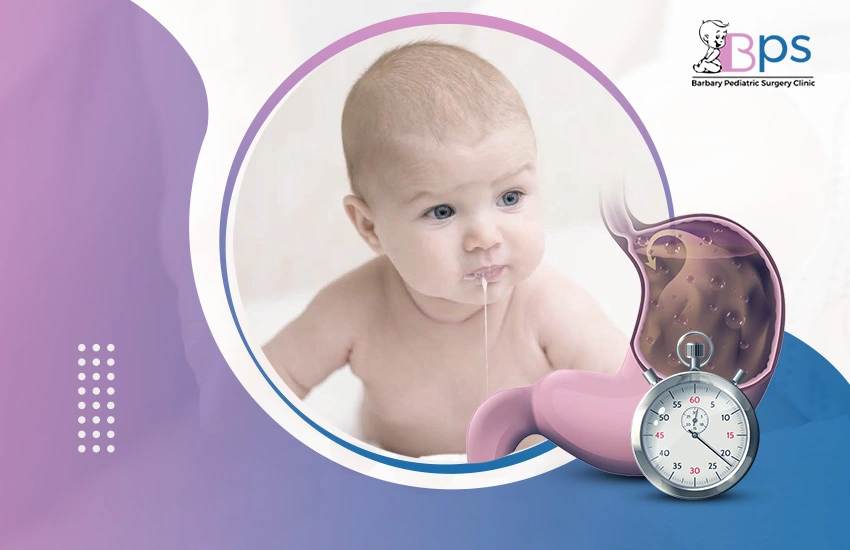
Your baby spits up frequently, and you’re worried. Is this normal? Will it ever stop? Acid reflux in infants is one of the most common concerns parents bring to their pediatrician, and understandably soâwatching your baby spit up milk repeatedly can feel alarming. The reassuring truth is that mild reflux is extremely common in infants and resolves on its own in the vast majority of cases. However, understanding the difference between normal physiological reflux and genuine gastroesophageal reflux disease (GERD) is crucial for knowing when your baby needs intervention. At Cairo University Medical School, I have cared for thousands of infants with reflux over my 36 years of experience in pediatric surgery, and I hold the Fellowship of the Royal College of Surgeons of Edinburgh (FRCSEd). I am Professor Mohamed Elbarbary. This article will help you understand when acid reflux ends in babies, what signs should concern you, and when your baby may benefit from medical or surgical treatment.
Normal Infant Reflux vs. GERD: Understanding the Difference
Not all spit-up in babies is a disease. In fact, the most common form of reflux in infants is physiological, meaning it’s a normal developmental phase that resolves as your baby matures.
Physiological Reflux:
Newborns and young infants have immature esophageal and gastric function. The lower esophageal sphincterâthe muscular valve at the bottom of the food pipe that prevents stomach contents from flowing backwardâis not yet fully developed in most infants. Additionally, babies feed frequently, eat quickly, and spend much time lying flat, all of which make reflux more likely. This normal reflux typically results in frequent spit-up, particularly after feeding, but causes no pain or harm to the baby.
Signs of benign physiological reflux include:
– Frequent spit-up or regurgitation after feeding
– Calm demeanor between episodes
– Normal growth and weight gain
– Normal appetite
– No distress during or after feeding
Gastroesophageal Reflux Disease (GERD):
GERD is the pathological condition where reflux is frequent, severe, or causes harm. In babies with true GERD, stomach acid causes pain and damage. Signs of GERD include:
– Excessive crying or arching of the back during feeding
– Feeding refusal or reluctance
– Poor weight gain despite adequate feeding
– Chronic cough or wheezing
– Respiratory symptoms or recurrent infections
– Signs of esophageal damage (blood-tinged spit-up, anemia)
– Severe spit-up, not just mild regurgitation>/p>
The distinction matters enormously because physiological reflux requires only reassurance and simple measures, while true GERD may require medication or, rarely, surgery.
The Timeline: When Does Baby Reflux Resolve?
This is the question parents ask most: When will this end? Here’s what the research tells us.
Typical Timeline:
The vast majority of infants with physiological reflux show significant improvement between 3-6 months of age, as the lower esophageal sphincter matures and babies begin to sit upright more. By 12 months, approximately 70-80% of infants have resolved their reflux symptoms. By 18-24 months, approximately 90% have complete resolution.
In other words, if your 2-month-old is spitting up frequently but growing normally and seems content, there’s a very high probability this will resolve by their first birthday or shortly after, without any intervention.
Signs That Reflux Has Resolved:
You’ll know reflux is improving when:
– Spit-up becomes less frequentâfrom multiple times daily to once daily or less
– The volume of spit-up decreases noticeably
– Your baby seems more comfortable, cries less, and feeds without distress
– Weight gain continues appropriately
– Your baby tolerates longer periods between feedings
– Feeding behavior normalizesâyour baby seems genuinely hungry and feeds eagerly
Most parents notice dramatic improvement between 4-8 months of age.
Red Flag Symptoms: When Your Baby Needs Medical Assessment
While most infant reflux is benign and self-limited, certain symptoms warrant prompt evaluation by your pediatrician or a pediatric surgeon:
Poor Weight Gain:
If your baby is not gaining weight appropriately despite feeding well or is actually losing weight, this suggests either inadequate nutrition intake or malabsorption from severe reflux. This is not normal and requires assessment. Your pediatrician monitors weight gain at well-baby visits.
Blood in Vomit or Spit-Up:
While small streaks of blood can occur from a small tear in the esophagus, persistent blood-tinged spit-up suggests esophageal injury from acid and needs evaluation. This could indicate bleeding from esophagitis or a more serious condition.
Respiratory Symptoms:
If your baby develops a chronic cough, wheezing, recurrent pneumonia, or breathing difficulties, particularly if these worsen with feeding, this may indicate that stomach contents are aspirating into the lungs. This is a serious complication called aspiration and requires urgent evaluation.
Excessive Irritability and Back Arching:
Babies with true GERD often arch their back, cry excessively during feeding, and seem to be in pain. This differs from the calm “happy spitter” who regurgitates but seems content. Severe pain warrants medical assessment.
Refusal to Feed:
If your baby resists feeding, seems fearful of eating, or repeatedly pulls off the breast or bottle, reflux pain may be causing this learned avoidance. Assessment and treatment can help.
Choking or Gagging:
Babies who choke, gag, or have difficulty breathing with feeds may be aspirating food or stomach contents and need urgent evaluation.
If you observe any of these red flags, contact your pediatrician promptly rather than waiting for resolution.
Conservative Management: First-Line Approaches
For infants with physiological reflux or mild GERD, simple measures often provide dramatic improvement without medication:
Positioning:
Keep your baby upright (at least 30 degrees) for 15-30 minutes after feeding. This uses gravity to help keep food in the stomach. Elevated crib head positioners are available, though some pediatricians caution against their safety in young infantsâdiscuss with your pediatrician.
Avoid laying your baby flat immediately after feeding. Tummy time is beneficial for development but should be done 30 minutes or more after feeding, not during digestion.
Feeding Adjustments:
- Smaller, more frequent feeds: Instead of large feedings, offer smaller amounts more often. This reduces gastric distension and reflux pressure.
- Proper positioning during feeding: Hold your baby semi-upright during bottle or breastfeeding rather than fully reclined.
- Pacing: Allow your baby to feed at their own pace. Don’t force feeding or rush.
- Burping: Gently burp your baby during and after feeding to release swallowed air, which can contribute to reflux.
For Formula-Fed Babies:
- Thickened formula: Some formulas contain added thickeners (rice starch) that reduce regurgitation without requiring medication. These are available over-the-counter and can be tried under your pediatrician’s guidance.
- Hydrolyzed formula: In rare cases, cow’s milk allergy contributes to reflux; an amino acid-based formula may help. Your pediatrician can assess whether this is appropriate.
For Breastfed Babies:
- Breastfeeding position mattersâensure proper latch to minimize swallowed air.
- Occasional medication is compatible with breastfeeding if needed.
These simple measures resolve reflux in approximately 60% of infants with mild physiological reflux.
When Medication Is Needed
If conservative measures don’t resolve reflux and your baby shows signs of true GERD (pain, poor weight gain, esophageal damage, aspiration risk), medication becomes appropriate.
Proton Pump Inhibitors (PPIs) or H2-Receptor Blockers:
These medications reduce stomach acid production, allowing the esophagus to heal and reducing pain. Omeprazole and lansoprazole are commonly used PPIs in infants; ranitidine (an H2-blocker) is another option. These are safe when dosed appropriately and improve symptoms in 70-90% of infants with true GERD.
Medication typically starts showing benefit within 3-7 days and maximum benefit by 2-3 weeks. If your baby’s reflux improves with medication, the goal is to continue it for 2-4 weeks and then attempt to discontinue and see if the baby has naturally outgrown the reflux as they develop.
Medication does not speed resolution of reflux; rather, it manages pain and prevents damage while natural maturation occurs. This is an important distinctionâmedication is a bridge, not a cure.
Prokinetic Agents:
Medications like domperidone enhance stomach contractions, helping food move more efficiently into the small intestine. These are less commonly used in the United States but may be available in other countries. They’re typically reserved for cases where acid-reducing medication alone is insufficient.
When Surgery Is Considered: Fundoplication
Surgical intervention for infant reflux is rareâperformed in fewer than 1 in 1,000 infants with GERD. However, specific situations warrant consideration of fundoplication (a procedure to tighten the lower esophageal sphincter).
Indications for Surgery:
- Severe refractory GERD: When maximum medical therapy has failed, the baby continues to have severe symptoms, pain, or deteriorating nutrition.
- Aspiration complications: When reflux-related aspiration has caused recurrent pneumonia or chronic lung disease (bronchopulmonary dysplasia), reducing reflux becomes urgent.
- Neurologically impaired infants: Babies with severe developmental delays or cerebral palsy have higher GERD rates and may benefit from fundoplication when medical management fails.
- Severe esophageal damage: When acid has caused significant esophagitis, stricture formation, or bleeding, surgery may be necessary.
The Fundoplication Procedure:
Fundoplication is a minimally invasive laparoscopic procedure (using small camera-assisted surgery) in which the top of the stomach (fundus) is wrapped around the lower esophagus to recreate and reinforce the lower esophageal sphincter. The procedure typically takes 1-2 hours and requires general anesthesia.
Recovery involves 2-3 weeks of restricted diet (progressing from liquids to soft foods to regular foods), 2-3 weeks before returning to school or daycare, and 4-6 weeks before full activity. Most children can eat all foods normally within 3-4 weeks.
Fundoplication is effective at reducing reflux in 85-95% of cases, though some patients experience postoperative side effects like bloating or difficulty belching. With my 36 years of experience performing pediatric GI surgery at Cairo University, I have developed techniques that optimize outcomes while minimizing complications in these complex infants.
Surgery Risks:
Complications from fundoplication in experienced hands occur in fewer than 5% of cases and are usually minor (temporary feeding difficulties, mild gas bloating). Serious complications like perforation or bleeding are rare. The risk of surgery must be weighed against the risk of continued aspiration or significant esophageal damage.
Most importantly, surgery is only considered after medical therapy has been optimized and given adequate time to work. This is not a first-line treatment.
Life After Treatment: Recovery and Follow-Up
If Your Baby Was Managed Conservatively:
As your baby grows and transitions to solids (around 6 months), reflux typically improves further. The transition to solid foods and increasing upright time as your baby sits and crawls naturally reduce reflux. Continue the positioning and feeding strategies that have helped.
By 12-18 months, most babies with physiological reflux have complete resolution. Regular pediatric check-ups monitor growth and development.
If Your Baby Required Medication:
If your baby is on acid-reducing medication, your pediatrician will recommend periodic reassessment (every 4-8 weeks) to determine if the medication can be discontinued. The goal is not lifelong medication but rather supporting your baby through the vulnerable period until natural maturation occurs.
When discontinuing medication, do so gradually rather than abruptly, and monitor for symptom return. If reflux returns immediately upon stopping medication, continue treatment and reassess in several more weeks.
If Your Baby Had Surgery:
After fundoplication, your surgeon will see your baby at 2 weeks, 6 weeks, and 3 months postoperatively. These visits confirm proper healing, assess feeding tolerance, and evaluate symptom improvement.
If fundoplication was successful, most children can eat all foods normally within 3-4 weeks. Some children experience increased gas or bloating (usually temporary) and may need dietary adjustment initially.
Long-term follow-up is typically brief after a successful fundoplication; most children need only occasional follow-up visits to ensure continued good outcome.
Frequently Asked Questions
At what age does acid reflux stop in babies?
Most babies with physiological reflux show significant improvement by 6 months of age and have complete resolution by 12-18 months. However, the exact timeline varies individually. Some babies improve by 3 months; others continue to spit up beyond 12 months. If your baby is growing normally, gaining weight appropriately, and seems content, spit-up beyond 12 months is rarely a cause for concern. Discuss the specific timeline with your pediatrician based on your baby’s individual course.
Will my baby’s reflux go away on its own?
In the vast majority of cases, yes. Approximately 70% of infants with reflux resolve it by 12 months, and 90% by 24 months without any specific treatment beyond simple positioning and feeding adjustments. Even most infants with mild GERD benefit from conservative measures alone. Your pediatrician can assess whether your specific baby’s reflux is likely to resolve independently or whether medical evaluation or treatment would be helpful.
How can I tell if my baby has reflux or something more serious?
Normal infant reflux involves spit-up that is usually minimal in volume, occurs after feeding, and doesn’t distress the baby. Your baby continues to gain weight well, feeds eagerly, and seems comfortable between episodes. More serious conditions causing vomiting or symptoms include milk protein allergy, pyloric stenosis (in infants 2-8 weeks old with forceful vomiting), intestinal malrotation, or infections. Red flags requiring medical evaluation include poor weight gain, blood in vomit, respiratory symptoms, excessive crying or pain, and feeding refusal. If you’re uncertain, discuss your baby’s symptoms with your pediatricianâthey can distinguish normal reflux from concerning conditions through history and examination.
When does a baby with reflux need surgery?
Surgery (fundoplication) is considered only after extensive medical management has failed and the baby has serious complications like recurrent aspiration pneumonia, severe esophageal damage, or inability to maintain adequate nutrition despite optimal medication. This is rare, occurring in fewer than 1 in 1,000 infants with GERD. Most babies who need treatment benefit from simple measures or medication. If surgery is ever recommended for your baby, your surgeon will thoroughly explain why surgery is necessary in your baby’s specific situation and discuss alternatives. This is not a decision made lightly or rushed.
Schedule Your Consultation
If your baby has reflux that concerns you, especially if you’re noticing poor weight gain, respiratory symptoms, excessive pain, or feeding difficulties, a specialist evaluation can provide clarity and a tailored management plan. Professor Mohamed Elbarbary and the pediatric surgery team at Cairo University have extensive experience managing complex reflux in infants, from conservative counseling to medical management to surgical intervention when necessary.
We understand how stressful feeding difficulties and reflux can be for new parents. Our goal is to help your baby thrive while avoiding unnecessary intervention. Contact City Clinic in Gezira Plaza or reach us through Kasr Al-Ainy Medical School to schedule a consultation. We’re here to answer your questions and develop the best plan for your baby’s health and growth.
احجز موعدك
احصل على أفضل رعاية طبية لطفلك مع الدكتور محمد البربري
بيانات الاستمارة: مثل الصفحة الرئيسية
بيانات الاستمارة: مثل الصفحة الرئيسية